Property maintenance: rounds, faults and invoicing
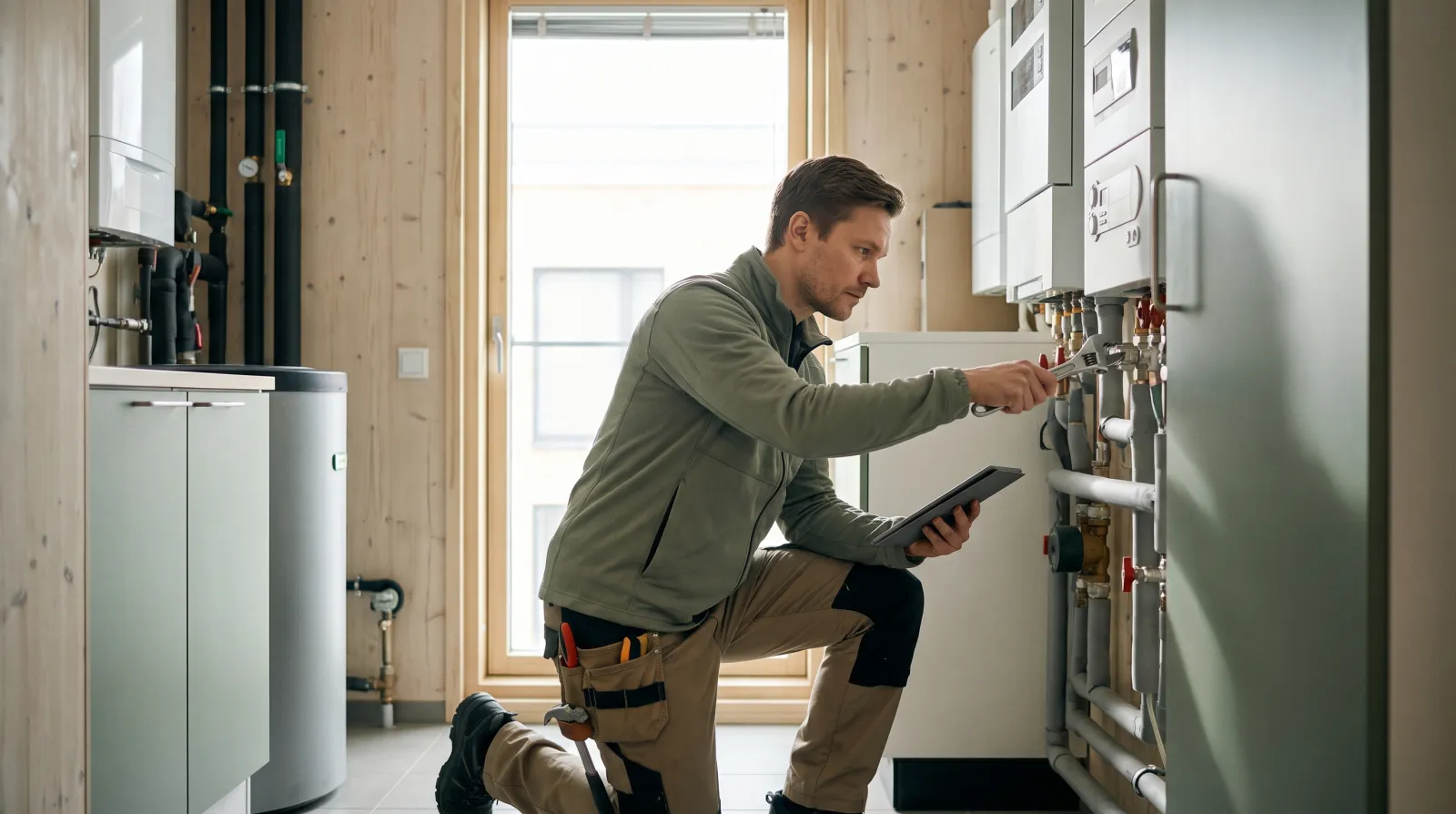
Property maintenance never stops: rounds, fault reports, small repairs and monthly invoices to dozens of buildings. Hub keeps it together without the supervisor spending evenings in a spreadsheet.
Published 2026-09-05
The maintenance round on a phone
Every building gets a round list: what is checked weekly, monthly and seasonally. The caretaker ticks the items on the phone during the round, logs observations with a photo and adds a repair to the task list if needed. The round stays on record, and the property manager sees it in the portal without anyone sending a report.
From a fault photo to a task
A fault reported by a resident or the property manager is logged as a ticket: photo, location, urgency. The supervisor assigns it, and the caretaker sees it next on their phone. When the fault is fixed, the sign-off and photo go back to the reporter. Open faults sit in one list, and notifications open the exact ticket.
Hours to the building, not to a weekly sheet
With the time clock, hours go to the building where the work is done. When the caretaker moves to the next building, they switch the job with one tap. Work included in the contract and billable extras are separated at the point of logging, not at invoicing.
Contract invoicing and billable extras
Monthly contracts are invoiced from a template, and extras — snow clearing, lamp changes, call-outs — are logged as extra work, priced and approved by the property manager before invoicing. The invoice shows the approval, which ends invoice disputes. Materials are fetched from Hub's price comparison across seven hardware suppliers and moved onto the invoice as their own line.
The property manager's portal
The property manager sees every building they look after in one view: rounds, open faults, photos and invoices. They can sign off hours and approve extras straight from the portal. For a maintenance company this is a selling point: the manager does not have to call to ask what has been done.
Winter, summer and seasonal work
Seasonal tasks — gritting, snow clearing, mowing, roof checks — are per-building checklists activated at the start of the season. The calendar shows which buildings are due today. In the morning brief, Rax tells you which rounds are late and where faults are still open.
Getting started and price
69 euros a month includes the main user and 22 euros each additional user. You add buildings and round lists yourself, invite caretakers to their phones and sign off the first round the same day. The trial is 14 days.
No setup fee, no commitment. Field staff learn it on a phone in minutes.
Try free for 14 daysSee the demo without signing upFrequently asked questions
Does the property manager see the rounds?
Yes. The manager gets a portal login and sees rounds, faults, photos and invoices for every building they look after.
How is a fault reported?
A ticket is logged with a photo and location, assigned to a caretaker and signed off after the repair. The reporter gets the sign-off.
Are contract work and extras separated?
Yes, already at logging. Extras are priced and approved before invoicing, and the approval shows on the invoice.
Is there a material price comparison?
Yes. Hub compares prices across seven hardware suppliers and moves the chosen item onto the invoice or shopping list.
Read next: Built on site, not in an office · Field service · Material prices · Client portal